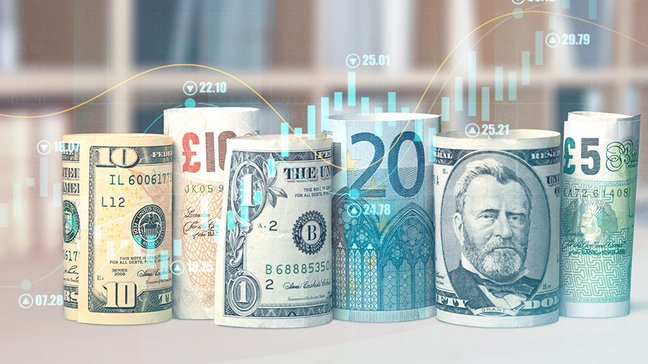
Top 10 Tips For Currency Conversion Rates And Fees
The cost of currency conversion is increasing in importance in a worldwide economy. They are a major factor for any financial transaction whether it's for a trip abroad, business in another country or a management of foreign currency investments. These charges vary based on the provider you choose, the method of exchange and the currency you're using. By learning to navigate around these fees, you can save money and make smart decisions. The top 10 tips to avoid currency exchange fees help travelers, business owners and investors.
1. Know the Different Types of Currency Conversion Fees
The fees associated with currency conversion are available in a variety of forms, including transaction fees, service charges, and exchange rate markups. Service fees can be a percent of the total amount, while transaction fees are a predetermined fee for every exchange. Markups on exchange rates occur when the service provider provides an unfavorable rate compared to the market rate. Understanding the various types of charges will help you determine the most cost-effective options.
2. Compare rates across a variety of providers
Compare rates before you decide to exchange currencies. Currency exchange kiosks, banks as well as online platforms usually have different fee structures and exchange rates. You can examine rates and fees in real time with the help of currency converters. This will aid you in determining the best bargain and save you a significant amount, especially when you are exchanging large amounts.
3. Look for No-Fee Currency Exchange Options
Certain banks and financial institutions provide accounts that allow for free currency exchanges or reduced fees for specific transactions. Fintechs and banks that are online offer free currency conversions to account holders. If you are a frequent user of frequently with foreign currencies it is a good idea to think about opening an account at such institutions. This will allow you to avoid any unnecessary charges.
4. Be Aware of Dynamic Currency Conversion (DCC) Fees
If you're using a debit or credit card in another country, it's possible that you'll be offered the option of paying using your local currency through an application called Dynamic Conversion. Although this may sound convenient but it can result in higher conversion rates and exchange charges. To avoid any additional costs, always pay in the local currency. This will ensure that you get the best possible exchange rate.
5. Make sure that your credit card does not charge foreign transaction fees
You can save money using credit cards that do not charge a fees for foreign transactions when you travel. The majority of travel credit cards offer this advantage. They permit you to buy in foreign countries without incurring additional costs. Choose a credit card according to your individual spending habits, and also one that offers an attractive exchange rate. This can help minimize travel costs.
6. Utilize ATMs to withdraw money
In comparison to ATMs for currency exchange that use ATMs to withdraw money in local currency usually results in better exchange rates. Keep in mind that both your ATM operator and bank might charge fees. Choose ATMs that are associated with your own bank to avoid charges. Always withdraw cash in the local currency.
7. Plan Currency Conversions to Advance
Do not make last-minute exchanges at tourist hotspots and airports, where fees are often more expensive. Instead make a plan for your currency exchange prior to your trip to make use of lower rates and fees. Explore the best options for local currency exchange and exchange small amounts before your trip, to be able to cover the costs of your trip. Plan on exchanging more money once you get there.
8. Watch for changes in exchange rates
Monitoring the trends in exchange rates can help you identify the most advantageous times to change your currency. The fluctuations in exchange rates can affect the cost of fees and charges. By keeping track of these changes it is possible to determine the best time to convert. Use the past data and financial news to help inform your choices, allowing you to benefit from favorable conditions.
9. Factor in Hidden Fees in Transactions
Beware of hidden charges which may not be immediately apparent. These can include charges for service, maintenance fees for accounts in foreign currencies, and unfavorable rates of exchange. Be sure to read the fine print and never hesitate to ask questions so that you can fully understand the costs of the conversion of currency. This will help you avoid unexpected costs as well as assist you make better choices.
10. Consult Financial Experts for Large Transactions
Financial experts are an excellent resource if you need to carry out large transactions or if your currency exchanges are complex. The experts in currency will provide insight into the best practices for cutting down on conversion costs and maximizing your transactions. This is essential, particularly for companies or investors that are involved in international trading.
It is easier to navigate currency exchange if you follow these suggestions. Understanding the costs of conversion will help you make informed financial decisions that achieve your business and personal goals and save you money. View the top my response about currency converter for blog examples including dollar to rupee, japanese yen to usd, dinar guru, japanese yen to usd, usd to euro exchange rate, canadian dollar to usd, currency exchange near me, usd to thb, us dollar to rupees, usd to euro exchange rate and more.
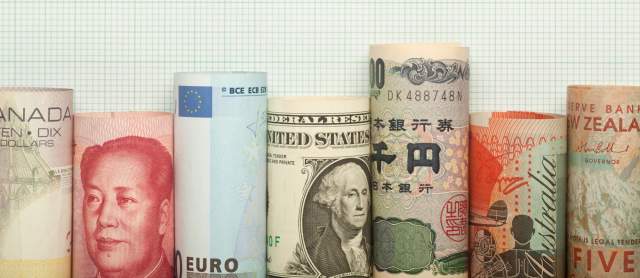
Top 10 Tips On Destination Currency In Terms Of Exchange Rates And Currency.
Understanding the currencies of a destination is crucial for anyone planning to travel overseas, doing international business, managing investment abroad or making international transactions. Destination currency refers to the currency used in the country you're traveling to or working with and can affect your financial decisions. Fluctuations, conversion fees as well as the overall economic climate could affect the amount you spend when you travel and how profitable or efficient your business transaction and investments are. If you are familiar with the currency of your destination and the implications, you can to optimize financial strategies and make well-informed decisions. The top 10 tips on how to handle the currency at destination are given below.
1. Study the currency of the country Before Traveling
Research the local currencies before going to another country. Learn to evaluate the value of your local currency with that of your own and become familiar with the different denominations. This will help you better manage your finances and prevent overpaying for services and goods. Websites, such as XE.com, provide actual and historical data on exchange rates. This can be used to figure out the value of your currency be worth overseas.
2. Keep track of exchange rates leading up to Your Trip
You can monitor the changes in exchange rates over time and determine the best time to exchange your currency. To receive alerts about favorable exchange rates, make use of tools and software to track currency. If you're noticing a trend that indicates the currency is weakening then consider exchanging earlier to maximize the purchasing power of your travels.
3. Currency Conversion Costs to consider
The cost of currency conversion are different among banks, currency exchange services, and ATMs. Converting your currency from home to the currency you want to use isn't cheap. Check rates from various service providers, and think about using platforms online that provide affordable exchange rates as well as less fees for currency conversion.
4. Use local currency to make transactions
If you make purchases abroad always choose to make payments in local currency and not your own. If you choose to pay in your home currency it can result in the use of a dynamic currency converter (DCC) which will cost you more fees and less favorable exchange rates. Paying with the local currency can help you save money, avoid unnecessary fees and stretch your budget.
5. Set your Cash Needs for the Future the future
While credit and debit cards are used widely in a variety of countries, it's essential to have some cash with you for small purchases or suggestions. There may be times when you require cash at places which do not accept cards. To avoid costs, you need to know the limits for ATM withdrawals and the associated fees. It is crucial to have local currency available when traveling. This can help you enjoy your trip and less stressful.
6. Understanding Local Payment Preferences
Different countries have distinct preferred payment methods. In some countries cash is the most popular option however, other countries may rely heavily on digital transactions or credit cards. Find out about local payment cultures to find out what's most popular. This knowledge can help you plan your payment strategies accordingly and ensure that you have the right tools to make transactions with ease.
7. Take note of the currency risk that you are taking for your business
If you're conducting business from a country that is not your own Be aware of potential risks to the currency due to fluctuations in exchange rates. An abrupt change in the value of the destination currency can affect profit margins and overall financial performance. Use hedging strategies such as forward contracts to lock in future exchange rates and minimize potential losses due to currency volatility.
8. Keep track of your spending
– Monitoring your spending in the currency you are using to travel is essential for staying within your budget when traveling. Budgeting software as well as detailed expense records aid in tracking your local currency spending. This will stop you from overspending, and you'll have enough money to last all the time of your trip.
9. Financial Regulations: You Should Know Your Rights
Different countries have different rules and laws regarding the exchange of currency, cash transactions as well as other reporting obligations. Be aware of these rules to avoid any legal problems when traveling or conducting business. There are a few countries have limitations on how much cash you can carry in and out of their borders, or even require that you declare purchases of a significant amount. You can navigate these regulations easier if informed.
10. Consult experts on currency. Investments
Consider consulting financial experts and currency experts that specialize in international investment if you are tracking the foreign markets for investments. They can offer insights into how currency fluctuations affect your portfolio of investments. They can also help you develop strategies to effectively manage risks related to currency. Their experience is crucial when it comes to understanding the maze of currency risk and maximising the financial returns.
If you follow these strategies for managing the currency of your destination and managing the challenges of traveling or conducting business and evaluating investments more efficiently. Understanding the implications of currency management will allow you to take financial decisions that align with your objectives and improve your overall financial strategy. Take a look at the top rated HUF to EUR blog for site tips including usd to thb, usd to jpy, won to usd, usd to inr, baht to us dollar, convert pounds to dollars, gpb to usd, dollar to inr, us dollar to japanese yen, usd to euro exchange rate and more.